

Rate-cut odds jumped after a major hiring drop, but elevated borrowing costs and tariff pressures keep the economic picture uncertain.
Sectors & Industries
December 8, 2025


Table of Contents
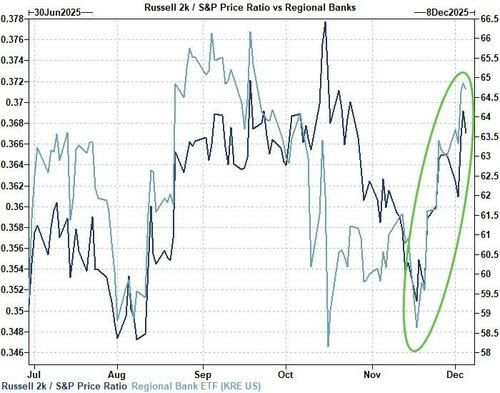
A surprise 32,000 drop in private-sector payrolls — the largest decline in more than two years — pushed traders to almost fully price in a Fed rate cut this week. The ADP report often swings more than the official jobs numbers, but with the shutdown delaying the government’s data, this is the only hiring snapshot the Fed will see before voting, giving it unusual importance. Markets reacted quickly: stocks moved back toward record highs, and rate-sensitive areas like small caps, regional banks, utilities, and credit-exposed consumer names all rallied as cut odds jumped from ~40% to nearly 95%.
But the backdrop is far more complicated. Borrowing costs for homes, cars, and credit cards remain high, which is slowing big purchases and weighing on rate-sensitive parts of the economy. Tariffs have pushed up import prices from China, Japan, and the EU, raising costs for small businesses and causing many to freeze hiring — the “no-hire, no-fire” pattern showing up in surveys. Manufacturing has also been shrinking for nine straight months as companies delay factory projects and equipment orders until tariff rules become clearer. In this environment, a rate cut may lift markets much faster than the real economy, because stocks react immediately while households and businesses won’t feel meaningful relief until borrowing costs and tariff pressures ease.
That’s why the Fed’s tone matters. Inflation cooled to 3% and hiring has softened, but the overall picture is still mixed. Tariffs continue to raise input costs, businesses are cautious about new investment, and consumer borrowing remains expensive. Given that, the Fed may cut rates while still signaling caution — a “hawkish cut” — offering some support without committing to a rapid series of future cuts.
Markets, however, are positioned for something much friendlier. Small caps jumped more than 7% as traders pushed cut odds from about 40% to nearly 95%, and rate-sensitive groups like regional banks and utilities rallied alongside them. We’ve seen what happens when the Fed disappoints: in a similar setup last year, the Russell 2000 fell 3% the week after a hawkish cut even as the S&P barely moved. The stronger the run-up, the more exposed these stocks are if Powell hints that future cuts will be slow or uncertain.
Join LevelFields now to be the first to know about events that affect stock prices and uncover unique investment opportunities. Choose from events, view price reactions, and set event alerts with our AI-powered platform. Don't miss out on daily opportunities from 6,300 companies monitored 24/7. Act on facts, not opinions, and let LevelFields help you become a better investor.

AI scans for events proven to impact stock prices, so you don't have to.
LEARN MORE