

Markets face a pivotal week as the July jobs report, SpaceX earnings, and AI demand updates take center stage.
Sectors & Industries
August 3, 2026


Table of Contents
The biggest risk to markets may be hiding in a currency pair most investors rarely watch.
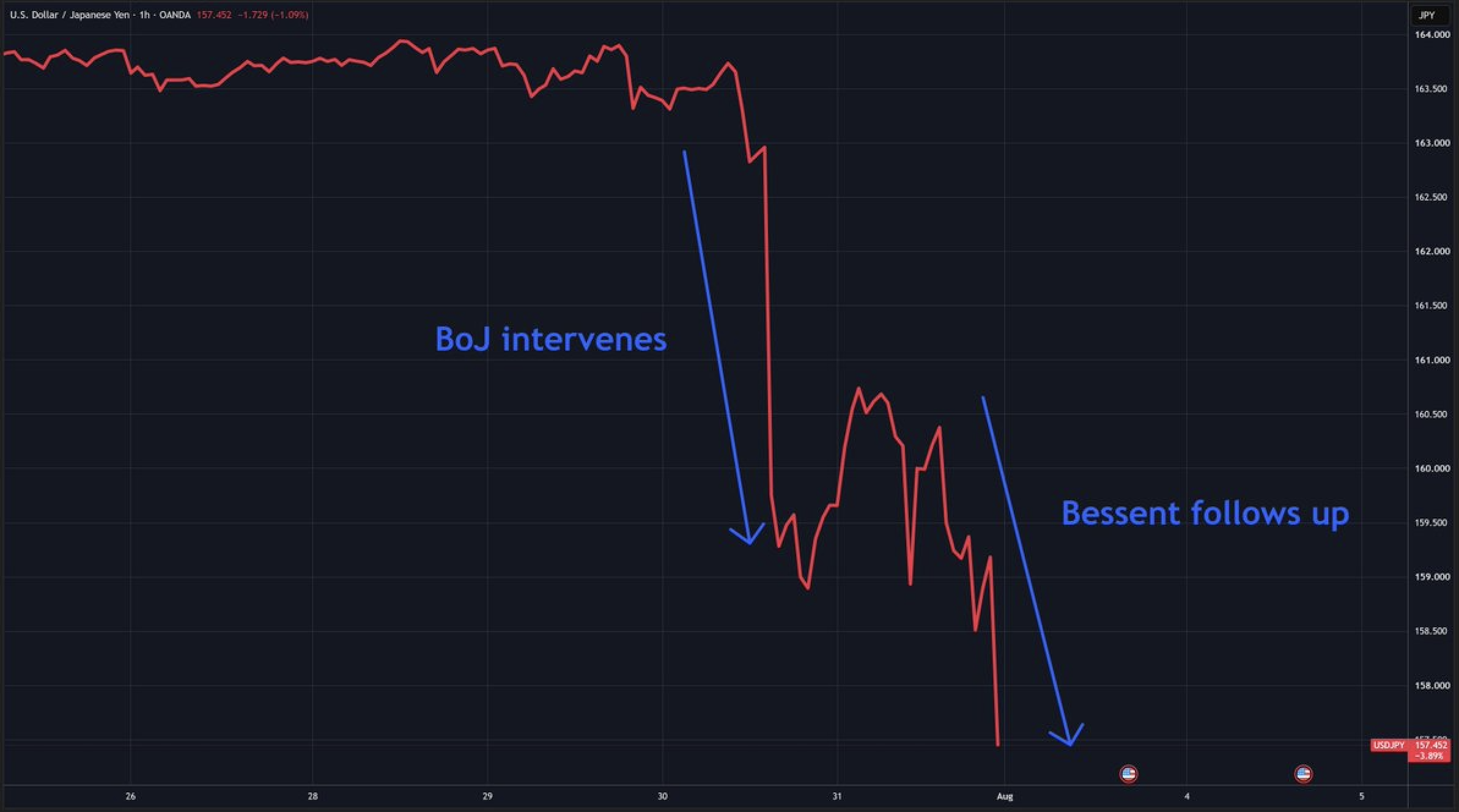
After the yen fell toward ¥164 per dollar—its weakest level since 1986—Japan intervened to support the currency, followed by reported U.S. involvement. The yen then surged roughly 4% in two days. That matters because trillions of dollars in global positions have been built by borrowing cheap yen and investing the proceeds in U.S. stocks, bonds, credit, and crypto.
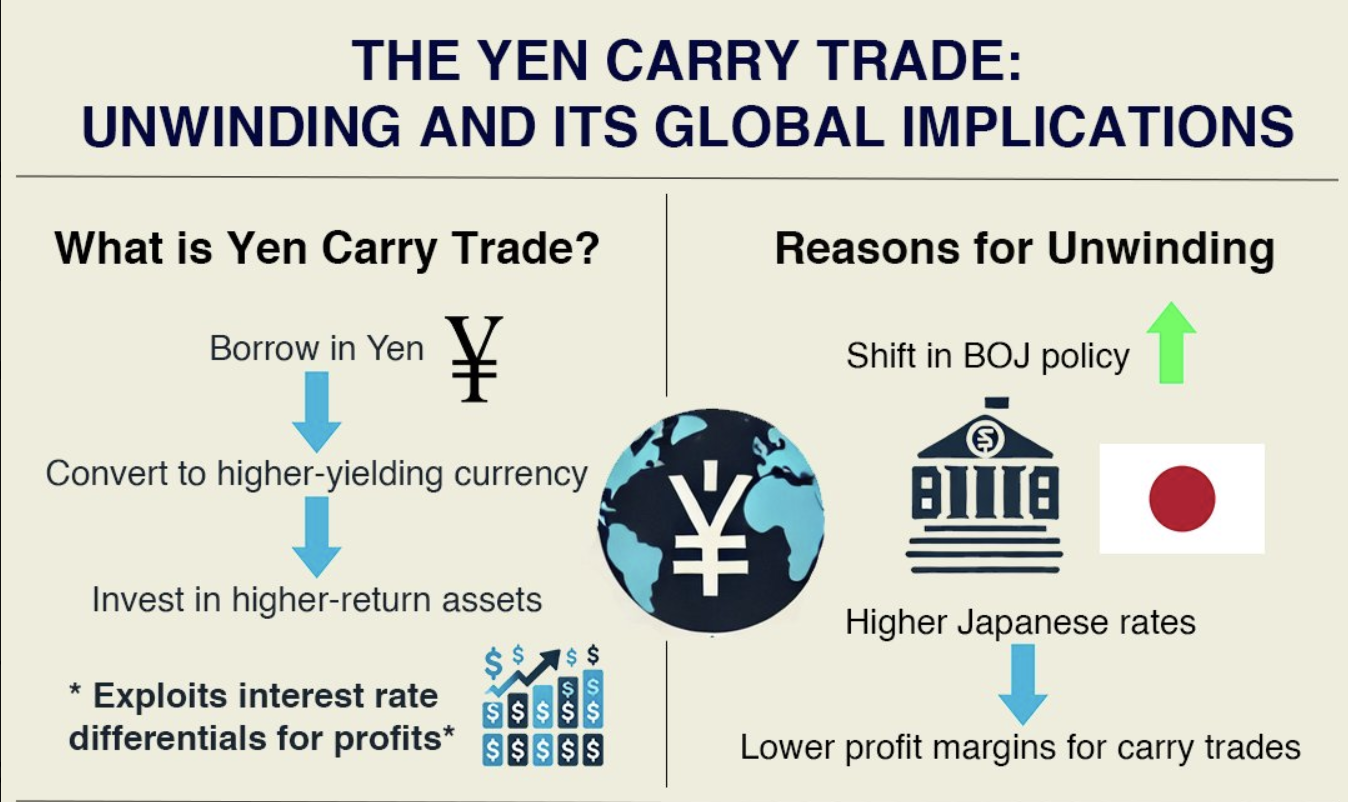
For decades,investors have borrowed yen at extremely low interest rates, converted it into dollars, and purchased higher-returning assets elsewhere. The trade works as long as Japanese rates stay low, the yen remains weak, and global asset prices continue rising.
Now two of those assumptions are being challenged. Japanese bond yields are rising, while U.S. and Japanese authorities are actively trying to strengthen the yen. That makes the currency more expensive to repay and reduces the profit available from the trade.
The danger is not simply that the yen strengthens. It is that the move happens quickly enough to force investors to sell other assets.
When carry traders unwind, they often have to sell the stocks, bonds, or crypto they originally purchased and use the proceeds to buy back yen.
That can create a self-reinforcing cycle:
Stronger yen → lower carry profits → asset sales → yen buying → even stronger yen.
Technology, speculative AI stocks, semiconductors, crypto, and other crowded momentum trades would likely be among the most vulnerable. These assets benefited heavily from cheap liquidity and are often the first sold when leverage has to be reduced.
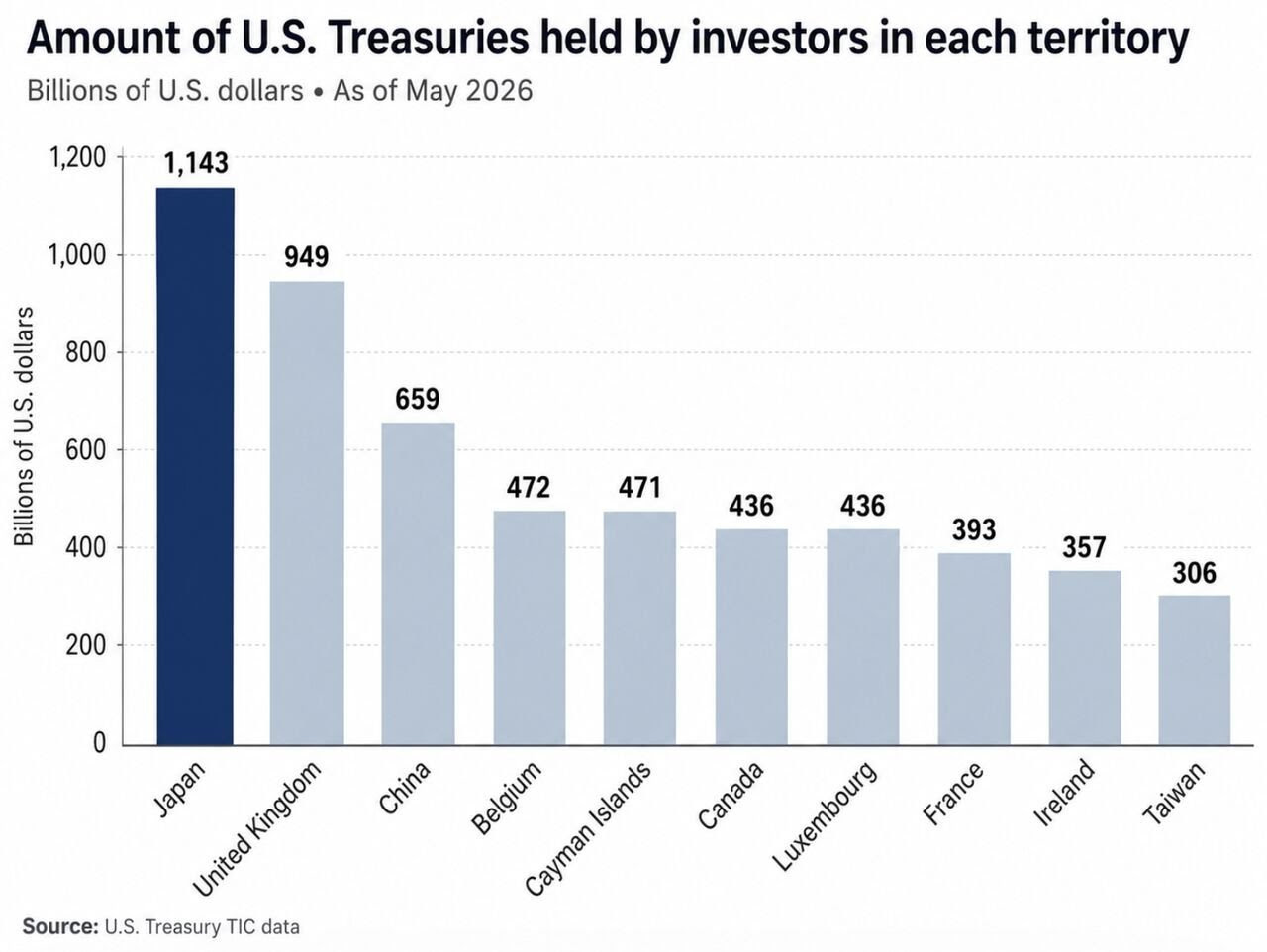
There is also a bond-market risk. Higher Japanese yields give domestic investors more reason to bring money home, potentially reducing demand for U.S. Treasuries. Further currency intervention could also require Japan to sell dollar assets, adding more upward pressure to American yields.
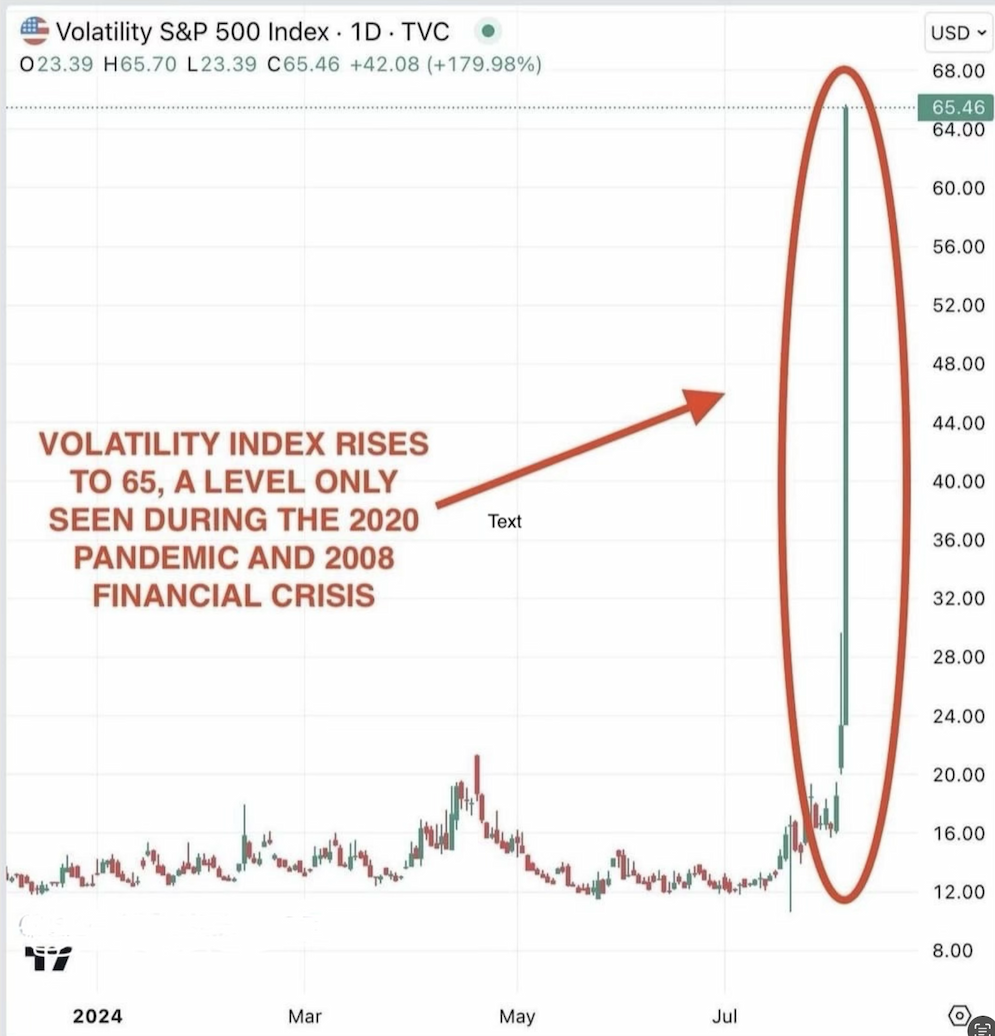
What the chart below shows: The last major yen carry-trade unwind hit in August 2024, sending the VIX above 65 and pushing QQQ down roughly 10%.
Hedge funds entered the intervention with one of their largest short-yen positions since 2007, leaving the market vulnerable to forced exits if the currency strengthens further.
More importantly, the U.S. has reportedly stepped in. The New York Fed conducted rate checks, the Treasury told banks to prepare for possible intervention, and U.S. authorities reportedly purchased yen on the Treasury’s behalf. That level of coordination suggests Washington is worried the currency move could spill into American markets.
One reason is the Treasury market. If Japan must keep selling U.S. Treasuriesto support the yen, yields could rise, pushing up mortgage and borrowing costs, pressuring housing, and tightening financial conditions across the economy. Washington is therefore trying to stabilize the currency before Japan’s defense of the yen creates a larger U.S. problem.
The next major catalysts are the August 12 inflation report and the BOJ’s September 18 meeting. Softer inflation could lower U.S. yields, narrow the U.S.–Japan rate gap, and strengthen the yen, while a BOJ rate hike would make yen-funded trades more expensive. The market may begin unwinding well before September rather than waiting for the official decision.
We do not know exactly when the unwind will begin, but once it does, the most violent part could play out over just one or two trading days. That is why the strategy needs to be established in advance.
If USD/JPY breaks below 155 and the unwind starts, the trade is QQQ puts (we will send exact setup once we see how markets open on Monday). If the VIX spikes above 30 and then begins to roll over, close the puts and buy QQQ directly.
Stay away from individual AI names during the panic. Markets will be moving too quickly, and QQQ provides broad exposure without company-specific risk.
The strategy is simple: prepare before the chaos, hedge the initial selloff, then buy the index once panic begins to fade.
Join LevelFields now to be the first to know about events that affect stock prices and uncover unique investment opportunities. Choose from events, view price reactions, and set event alerts with our AI-powered platform. Don't miss out on daily opportunities from 6,300 companies monitored 24/7. Act on facts, not opinions, and let LevelFields help you become a better investor.

AI scans for events proven to impact stock prices, so you don't have to.
LEARN MORE