


.png)

L2 Weekly Stock Market News Analysis
August 2nd, 2026
TLDR:
The biggest story this week is the labor market, with Friday’s July jobs report likely to shape expectations for the Federal Reserve’s next move. Payroll growth is expected to improve from June, while JOLTS, ADP employment, jobless claims, and wage data will provide a broader read on whether hiring is stabilizing or continuing to slow. A stronger report could revive rate-hike concerns, especially after long-term Treasury yields recently climbed to multi-year highs.
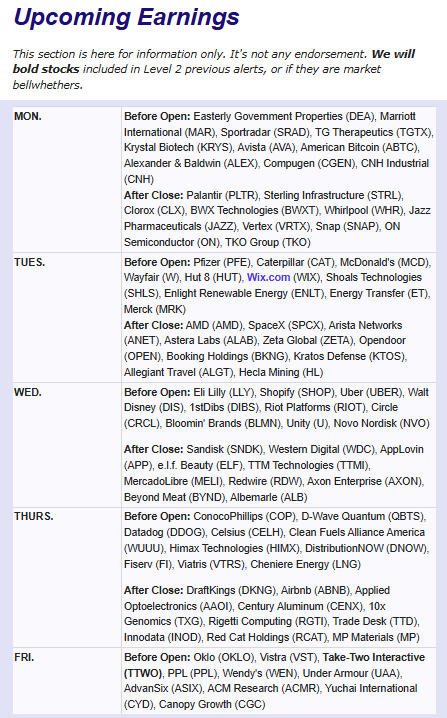
Earnings will also keep the AI trade in focus. SpaceX (SPCX) reports for the first time as a public company, while Palantir (PLTR), AMD (AMD), ON Semiconductor (ON), Sandisk (SNDK), and Western Digital (WDC) will provide updates on AI spending, chips, memory, and data-center demand. Outside technology, investors will watch Eli Lilly (LLY), Novo Nordisk (NVO), Disney (DIS), ConocoPhillips (COP), and Constellation Energy (CEG).
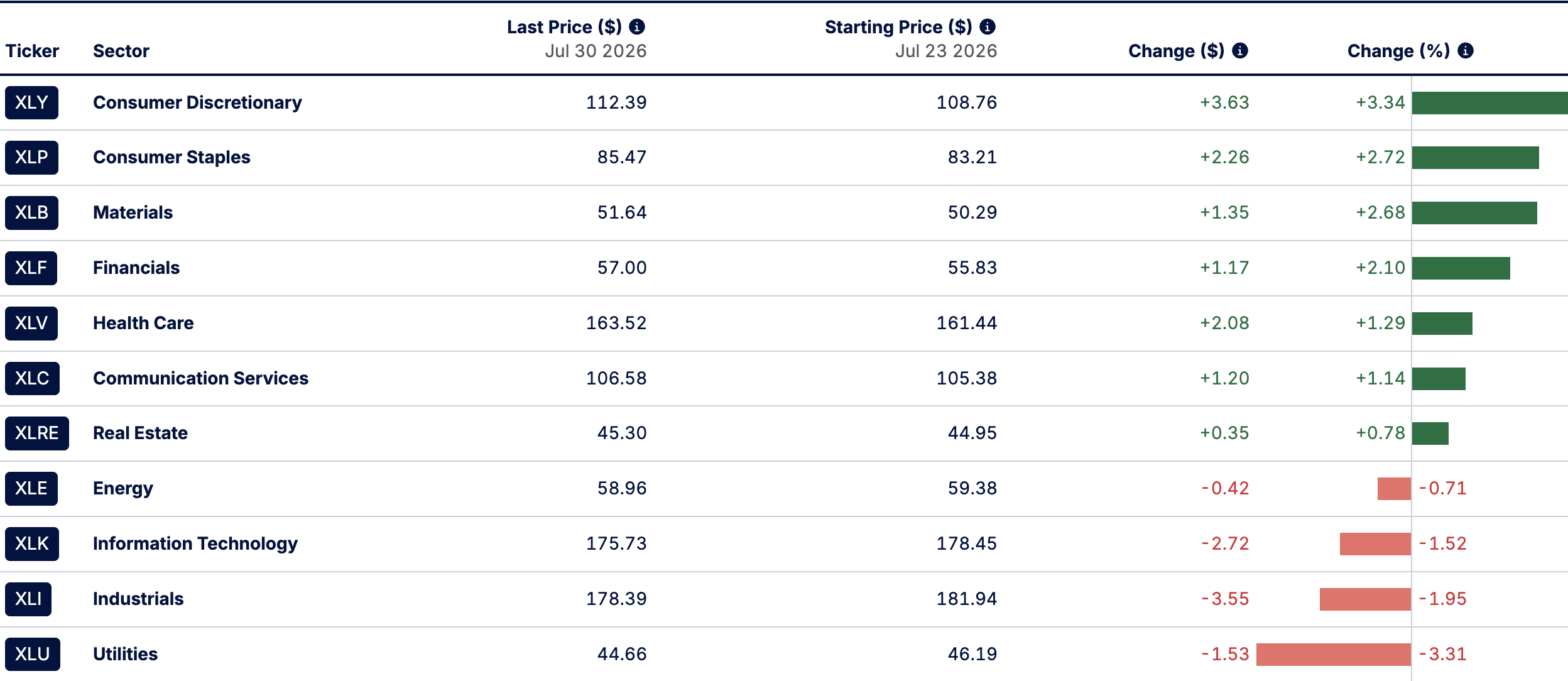
Last week’s sector performance showed broader participation across the market. Consumer Discretionary (XLY +3.34%) led, followed by Consumer Staples (XLP +2.72%), Materials (XLB +2.68%), Financials (XLF +2.10%), and Health Care (XLV +1.29%). Utilities (XLU -3.31%), Industrials (XLI -1.95%), Technology (XLK -1.52%), and Energy (XLE -0.71%) lagged.
The question this week is whether stronger labor data and another round of AI earnings support the market’s rebound—or push bond yields high enough to pressure growth stocks again.
The Yen Carry Trade Is The Market’s Next Major Risk
The biggest risk to markets may be hiding in a currency pair most investors rarely watch.
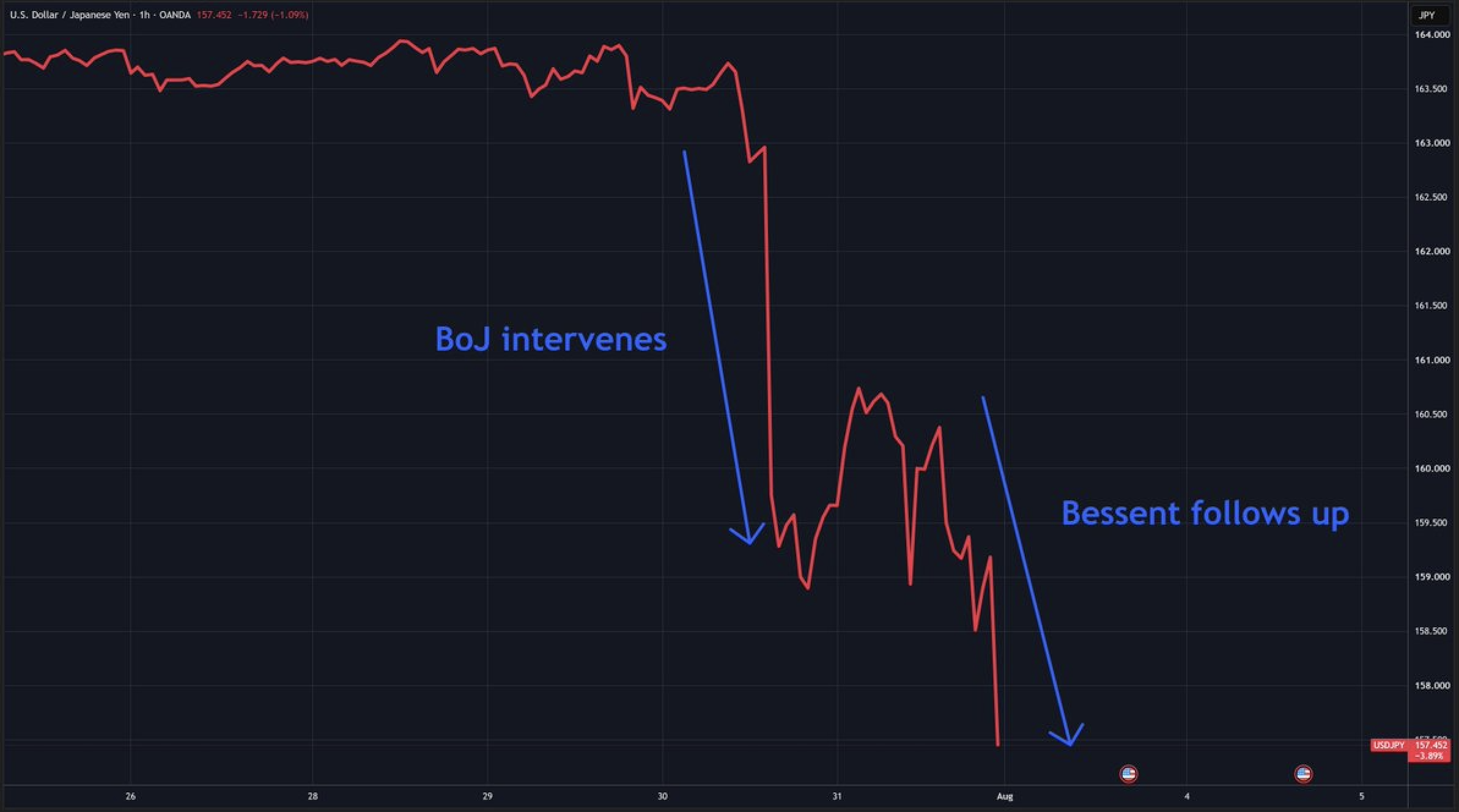
After the yen fell toward ¥164 per dollar—its weakest level since 1986—Japan intervened to support the currency, followed by reported U.S. involvement. The yen then surged roughly 4% in two days. That matters because trillions of dollars in global positions have been built by borrowing cheap yen and investing the proceeds in U.S. stocks, bonds, credit, and crypto.
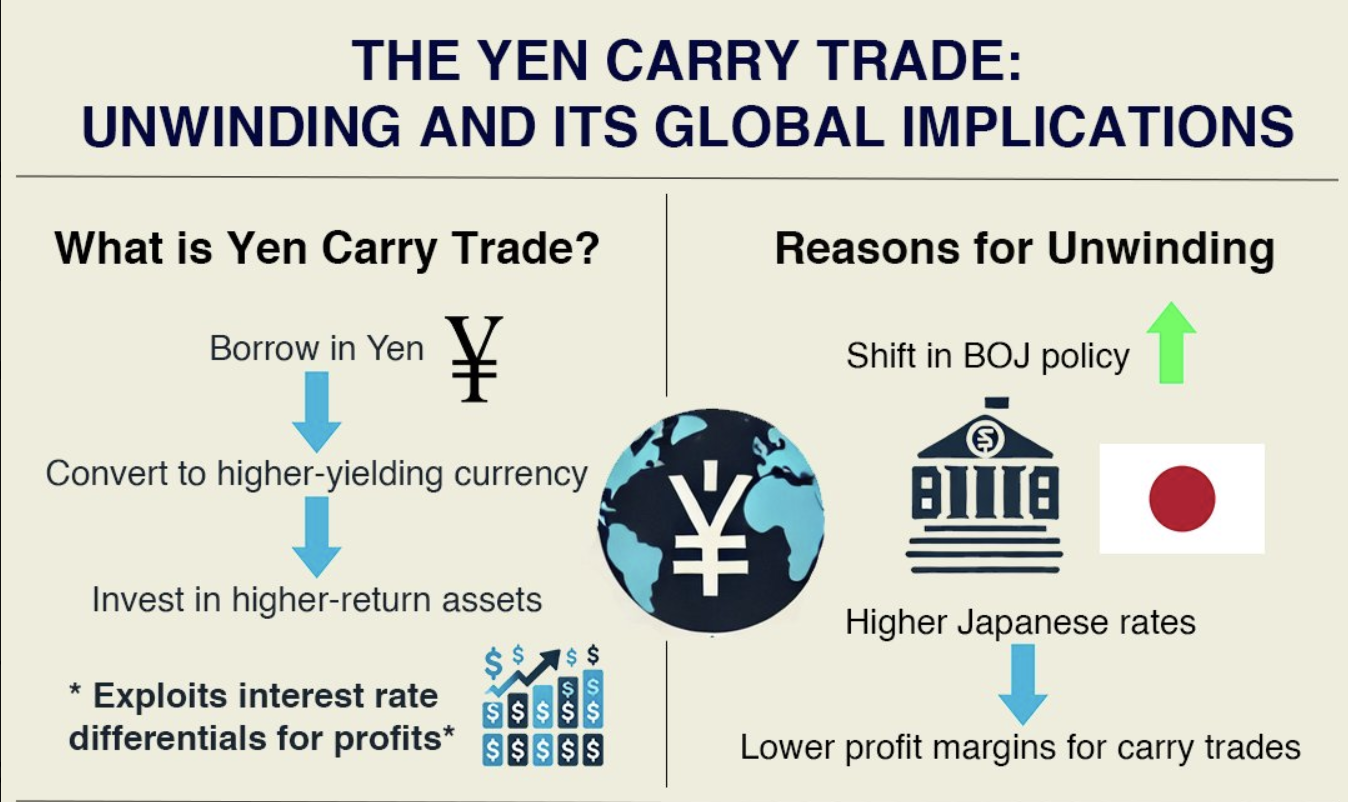
What Is Happening
For decades,investors have borrowed yen at extremely low interest rates, converted it into dollars, and purchased higher-returning assets elsewhere. The trade works as long as Japanese rates stay low, the yen remains weak, and global asset prices continue rising.
Now two of those assumptions are being challenged. Japanese bond yields are rising, while U.S. and Japanese authorities are actively trying to strengthen the yen. That makes the currency more expensive to repay and reduces the profit available from the trade.
The danger is not simply that the yen strengthens. It is that the move happens quickly enough to force investors to sell other assets.
Why It Matters
When carry traders unwind, they often have to sell the stocks, bonds, or crypto they originally purchased and use the proceeds to buy back yen.
That can create a self-reinforcing cycle:
Stronger yen → lower carry profits → asset sales → yen buying → even stronger yen.
Technology, speculative AI stocks, semiconductors, crypto, and other crowded momentum trades would likely be among the most vulnerable. These assets benefited heavily from cheap liquidity and are often the first sold when leverage has to be reduced.
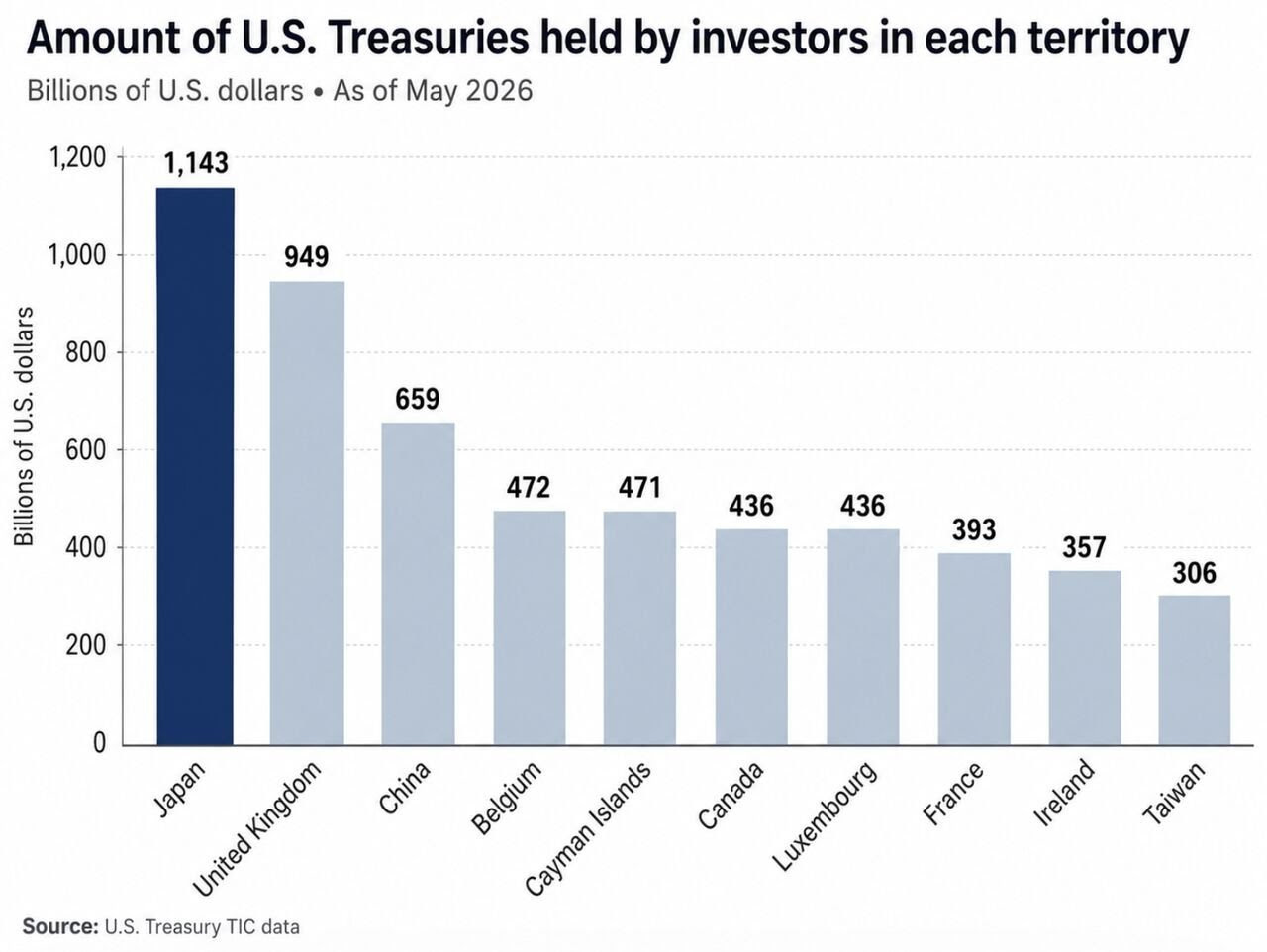
There is also a bond-market risk. Higher Japanese yields give domestic investors more reason to bring money home, potentially reducing demand for U.S. Treasuries. Further currency intervention could also require Japan to sell dollar assets, adding more upward pressure to American yields.
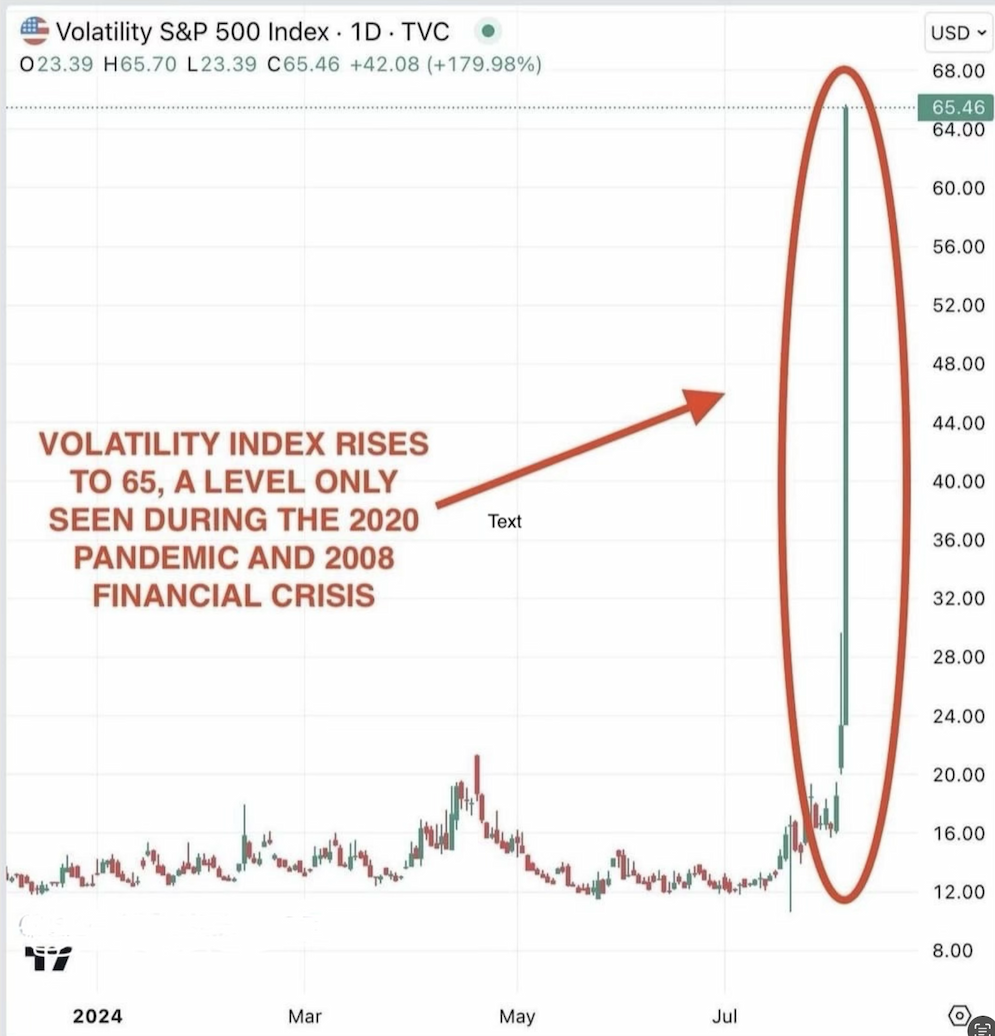
What the chart below shows: The last major yen carry-trade unwind hit in August 2024, sending the VIX above 65 and pushing QQQ down roughly 10%.
Why It Matters Now
Hedge funds entered the intervention with one of their largest short-yen positions since 2007, leaving the market vulnerable to forced exits if the currency strengthens further.
More importantly, the U.S. has reportedly stepped in. The New York Fed conducted rate checks, the Treasury told banks to prepare for possible intervention, and U.S. authorities reportedly purchased yen on the Treasury’s behalf. That level of coordination suggests Washington is worried the currency move could spill into American markets.
One reason is the Treasury market. If Japan must keep selling U.S. Treasuriesto support the yen, yields could rise, pushing up mortgage and borrowing costs, pressuring housing, and tightening financial conditions across the economy. Washington is therefore trying to stabilize the currency before Japan’s defense of the yen creates a larger U.S. problem.
The next major catalysts are the August 12 inflation report and the BOJ’s September 18 meeting. Softer inflation could lower U.S. yields, narrow the U.S.–Japan rate gap, and strengthen the yen, while a BOJ rate hike would make yen-funded trades more expensive. The market may begin unwinding well before September rather than waiting for the official decision.
The Plan Of Attack
We do not know exactly when the unwind will begin, but once it does, the most violent part could play out over just one or two trading days. That is why the strategy needs to be established in advance.
If USD/JPY breaks below 155 and the unwind starts, the trade is QQQ puts (we will send exact setup once we see how markets open on Monday). If the VIX spikes above 30 and then begins to roll over, close the puts and buy QQQ directly.
Stay away from individual AI names during the panic. Markets will be moving too quickly, and QQQ provides broad exposure without company-specific risk.
The strategy is simple: prepare before the chaos, hedge the initial selloff, then buy the index once panic begins to fade.
Last's Weeks Sector Winners & Losers
Sector leadership shifted noticeably last week. Consumer Discretionary (XLY +3.34%) led the market, followed by Consumer Staples (XLP +2.72%), Materials (XLB +2.68%), Financials (XLF +2.10%), and Health Care (XLV +1.29%). Communication Services (XLC +1.14%) and Real Estate (XLRE +0.78%) also finished higher.
The weakest sectors were Utilities (XLU -3.31%), Industrials (XLI -1.95%), Information Technology (XLK -1.52%), and Energy (XLE -0.71%).
The rotation suggests investors began moving away from traditional AI infrastructure leaders and defensive utilities while rotating into consumer, financial, and cyclical sectors. Rather than broad market weakness, last week reflected a broadening of market leadership as capital flowed into areas that had previously lagged.
Upcoming Events This Week
Markets will be focused on the yen carry trade, July U.S. labor data, and another busy week of earnings. Friday's nonfarm payrolls report will be the key macro event, with investors also watching JOLTS job openings, ADP employment, ISM manufacturing and services PMIs, factory orders, productivity, unit labor costs, and the trade balance for clues on whether the Federal Reserve is likely to raise rates again in September.
Earnings remain in full swing, with reports from SpaceX, AMD, Berkshire Hathaway, Palantir, Eli Lilly, Caterpillar, Walt Disney, Uber, Booking Holdings, Pfizer, Shopify, Merck, and Vertex Pharmaceuticals expected to provide updates on AI spending, consumer demand, healthcare, and industrial activity. Overseas, investors will monitor China's PMIs and trade data, Germany's trade balance, Eurozone industrial production, Japan's wage data, and OPEC+'s meeting on oil production, all of which could influence inflation expectations and global market sentiment.

Company News
LevelFields AI Top Stock Alert Last Week
Lithia Motors (LAD) +16.0% (1D) — Raised Dividend and Strong Earnings
Shares of Lithia Motors surged roughly 16% in one day after the company reported better-than-expected second-quarter results, delivered 17% year-over-year growth in diluted EPS, 9% growth in adjusted diluted EPS, and raised its quarterly dividend by 23%. The company also generated record quarterly revenue of $9.8 billion, continued aggressive share repurchases, and reported improving profitability across its financing and aftersales businesses.
The dividend increase was particularly meaningful because it reinforced management's confidence in the company's cash generation despite a challenging automotive environment. Alongside the higher payout, Lithia repurchased $242 million of stock during the quarter, expanded its buyback authorization by another $500 million, and maintained strong operational momentum with improving used vehicle margins and record financing income.
For investors, the move highlights how powerful a dividend increase can be when it accompanies improving fundamentals rather than simply returning excess cash.
Earnings Season So Far & What To Watch Next
Second-quarter earnings have once again highlighted just how much stock prices depend on expectations rather than simply whether a company beats estimates. Alphabet (GOOG) delivered the largest positive earnings surprise among large-cap companies so far, reporting EPS more than 216% above consensus, while Centene (CNC), Intel (INTC), Travelers (TRV), and Southwest Airlines (LUV) also posted standout beats. On the other end of the spectrum, Coinbase (COIN), Boeing (BA), Tesla (TSLA), GE Vernova (GEV), and Meta (META) all disappointed relative to analyst expectations despite several reporting results that would have been considered solid in isolation.
The lesson is simple: beating earnings is no longer enough. Investors are rewarding companies that significantly exceed expectations while punishing even modest disappointments, especially in crowded AI and momentum trades.
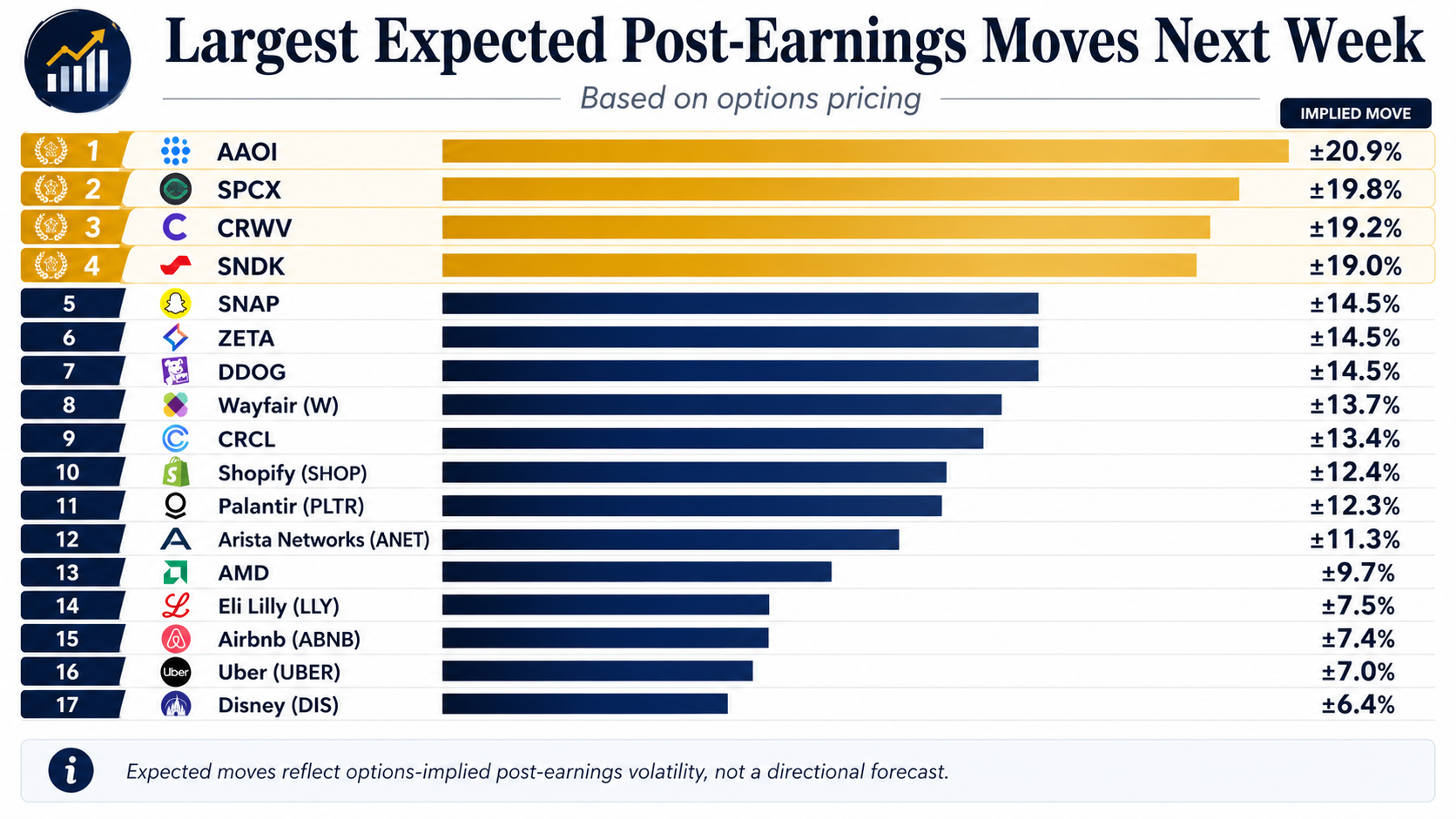
Looking ahead, volatility is expected to remain elevated as another wave of major earnings arrives next week. Based on options pricing, the largest expected post-earnings moves are:
The Laser Shortage Is Getting Worse
The shortage in AI infrastructure is moving beyond chips and memory. Data centers also need large numbers of high-speed lasers to move information between GPUs, and the supply of those components is not keeping up.
This week, AXT (AXTI)—a major supplier of the indium phosphide wafers used to make those lasers—reportedrevenue growth of 164% and said demand continues to exceed supply no matter how quickly capacity is added. At the same time, Lumentum (LITE) CEO Michael Hurlston warned that the InP laser shortage could become even more severe than the memory shortage, with shipments still more than 30% below customer demand despite Lumentum operating five InP fabs.
That matters because AI clusters cannot scale if the networking equipment connecting thousands of GPUs is unavailable. The shortage is already visible in EML lasers and is expected to spread further as 800G, 1.6T, and co-packaged optics ramp.
For investors, the clearest beneficiaries are LITE, COHR, AAOI, and AXTI. LITE and COHR have the largest direct laser exposure, AAOI benefits from owning more of its laser production in-house, and AXTI sits upstream by supplying the wafer material the entire group depends on. The main risk is that higher wafer prices could pressure margins, but the broader takeaway is that the optical bottleneck is now showing up in both company guidance and reported results.
.png)
How to use LevelFields for Options Trading
Tracking Stocks Without Spreadsheets
The Truth About Dividend Stocks
What's LevelFields' Premium Membership Provide?
This is not financial advice. All information represent opinions only for informational purposes. Given the vast number of stocks we cover in these reports, assume staff covering stocks have positions in stocks discussed.
Have feedback or a request for specific data? Drop us a note at support@levelfields.ai